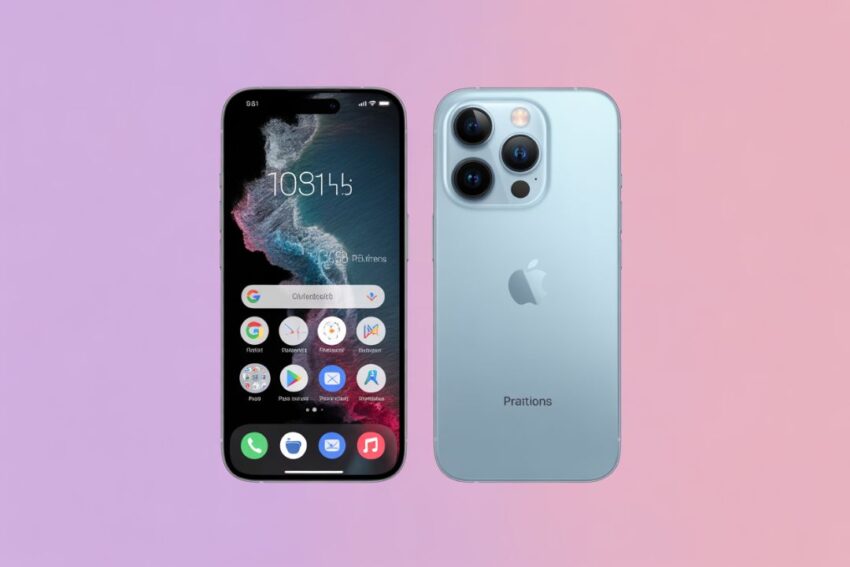
The smartphone market in 2026 is more competitive and innovative than ever. Every year, manufacturers push the boundaries of technology, offering devices with cutting-edge features, improved performance, and sleek designs. From flagship iPhones to premium Android devices, the top smartphones of 2026 cater to diverse needs, whether for photography, gaming, productivity, or everyday use. This article highlights the best smartphones of 2026, their standout features, and comparisons to help consumers make informed decisions.
Key Trends in 2026 Smartphones
Before diving into individual devices, it’s important to understand the major trends shaping the smartphone market in 2026:
- 5G and Beyond: 5G networks are now standard, enabling faster downloads, smoother streaming, and low-latency gaming. Some devices are even preparing for 6G trials, promising ultra-fast connectivity.
- AI-Powered Features: AI is embedded in cameras, virtual assistants, battery management, and even predictive user behavior. Smartphones are smarter than ever, optimizing tasks automatically.
- Foldable and Flexible Screens: Foldable smartphones have matured, offering tablet-like experiences without compromising portability.
- Sustainable Design: Eco-friendly materials and recyclable components are increasingly common, reflecting a global push for sustainability.
- Advanced Photography and Videography: Multi-lens setups, AI-enhanced imaging, and 8K video recording are now standard on top-tier devices.
These trends define what to look for when choosing a premium smartphone in 2026.
Top Smartphones of 2026
1. Apple iPhone 18 Pro Max
The iPhone 18 Pro Max continues Apple’s tradition of blending performance with elegance. Key features include:
- A18 Bionic chip for unmatched speed and efficiency
- 120Hz ProMotion display with HDR10+ support
- Quad-lens camera system with advanced AI photography
- iOS 20 with improved multitasking and security features
- Longer battery life with adaptive charging
The iPhone 18 Pro Max excels in photography, gaming, and seamless integration with Apple’s ecosystem of devices, making it ideal for users heavily invested in iOS.
2. Samsung Galaxy Z Fold 6
Samsung’s flagship foldable smartphone, the Galaxy Z Fold 6, combines tablet and phone functionality in one device. Features include:
- 7.6-inch foldable AMOLED display for multitasking
- Snapdragon 8 Gen 4+ processor for high-speed performance
- Triple-lens camera system optimized for low-light conditions
- 5G connectivity and Wi-Fi 7 support
- Enhanced durability with Gorilla Glass Victus 3
The Galaxy Z Fold 6 is perfect for professionals who need a portable productivity hub and enjoy immersive media experiences.
3. Google Pixel 11 Pro
Google’s Pixel 11 Pro stands out for its software intelligence and camera capabilities. Highlights include:
- Google Tensor G4 chip optimized for AI and ML tasks
- Stock Android 15 with guaranteed updates
- Advanced computational photography for stunning low-light shots
- 5G and Wi-Fi 7 support
- Sustainably built with recycled aluminum
Pixel 11 Pro appeals to photography enthusiasts and Android purists who value timely updates and AI-powered features.
4. OnePlus 14 Pro
OnePlus continues to offer high-performance smartphones at competitive prices. Key features of the OnePlus 14 Pro:
- Snapdragon 8 Gen 4+ processor with enhanced gaming performance
- 120Hz AMOLED display for smooth visuals
- Quad-camera system with ultra-wide and macro capabilities
- Fast 100W wireless charging
- OxygenOS 16 optimized for speed and efficiency
The OnePlus 14 Pro is ideal for tech-savvy users who want flagship performance without the premium Apple or Samsung price tag.
5. Xiaomi 14 Ultra
Xiaomi’s 14 Ultra combines high-end specifications with competitive pricing. Notable features include:
- Snapdragon 8 Gen 4+ chip with AI enhancements
- 120Hz AMOLED display with HDR10+
- 108MP main camera with advanced night mode
- Massive battery supporting fast and wireless charging
- MIUI 16 with customizable UI
Xiaomi 14 Ultra is perfect for photography enthusiasts and gamers who want flagship specs at a slightly lower price point.
Comparing the Top Smartphones
| Feature | iPhone 18 Pro Max | Samsung Galaxy Z Fold 6 | Google Pixel 11 Pro | OnePlus 14 Pro | Xiaomi 14 Ultra |
|---|---|---|---|---|---|
| Display | 6.7″ OLED, 120Hz | 7.6″ Foldable AMOLED | 6.7″ AMOLED, 120Hz | 6.8″ AMOLED, 120Hz | 6.8″ AMOLED, 120Hz |
| Processor | A18 Bionic | Snapdragon 8 Gen 4+ | Google Tensor G4 | Snapdragon 8 Gen 4+ | Snapdragon 8 Gen 4+ |
| Main Camera | Quad-lens, AI optimized | Triple-lens | Triple-lens, AI | Quad-lens | Quad-lens, 108MP |
| Battery | 4,500mAh | 4,800mAh | 4,600mAh | 4,500mAh | 5,000mAh |
| Operating System | iOS 20 | One UI 6 (Android 16) | Android 15 | OxygenOS 16 (Android 16) | MIUI 16 (Android 16) |
| 5G Support | Yes | Yes | Yes | Yes | Yes |
Each smartphone offers unique strengths: Apple leads in ecosystem integration and software optimization, Samsung dominates foldable innovation, Google excels in computational photography, and OnePlus/Xiaomi offer performance-focused devices at competitive pricing.
Choosing the Right Smartphone
When selecting a smartphone in 2026, consider:
- Purpose: Photography, gaming, productivity, or general use
- Ecosystem: Integration with other devices and services
- Budget: Flagship devices vary widely in price
- Future-Proofing: 5G compatibility, software updates, and hardware longevity
The best smartphone is the one that aligns with your lifestyle, preferences, and needs while offering reliable performance and future-ready features.
Conclusion
The top smartphones of 2026 showcase remarkable innovation, from foldable displays and AI-powered features to high-speed connectivity and advanced cameras. Apple, Samsung, Google, OnePlus, and Xiaomi each offer unique advantages, giving consumers a wide range of choices. By understanding the key features and comparing devices carefully, users can select the smartphone that perfectly suits their needs in a rapidly evolving mobile landscape.